
Home › Massachusetts › Lexington
Window Replacement, Siding, Doors and Decks in Lexington, MA
In Lexington, stripping the clapboards or pulling window frames on an inventoried house can count as demolition, and four historic districts have written window rules. Call (978) 788-0374 or use the form. A person reads every request and replies with what happens next.
- Free for homeowners
- Town and state exterior rules on this page
- East Village to North Lexington
Ask About Exterior Service in Your Area
Tell us about the siding, windows, doors or deck. A person reads it and replies with what happens next.
Please add your name, a 10-digit phone number and a valid email.
Your request didn't go through on our end. Please call (978) 788-0374 so it isn't lost.
Too many requests have come from this connection in a short time. Please call (978) 788-0374 and we'll take it from there.
We couldn't finish the spam check. Wait a moment and send it again, or call (978) 788-0374.
Exterior work in Lexington
What are you replacing or building?
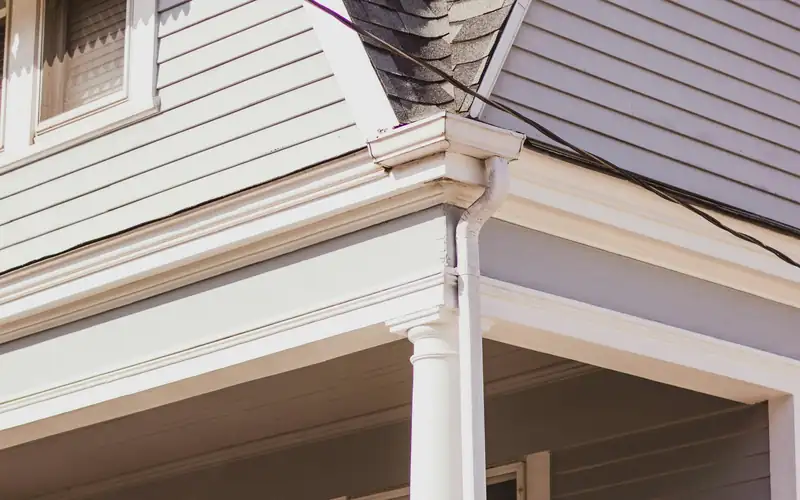
Siding
Vinyl, fiber cement and wood siding replaced or repaired, with the lead-safe rules older houses bring.

Window Replacement
Replacement and new-construction windows, sized and installed to the energy and egress rules your town uses.
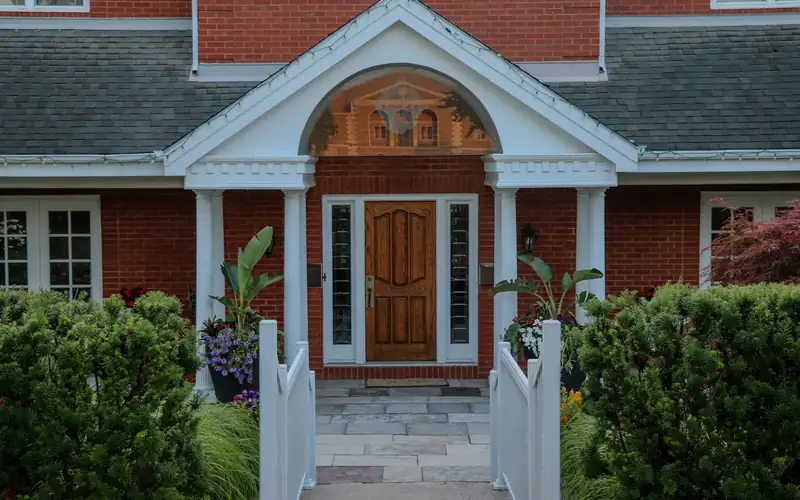
Exterior Doors
Entry, storm, patio and sliding doors, swapped in existing openings or framed into new ones.
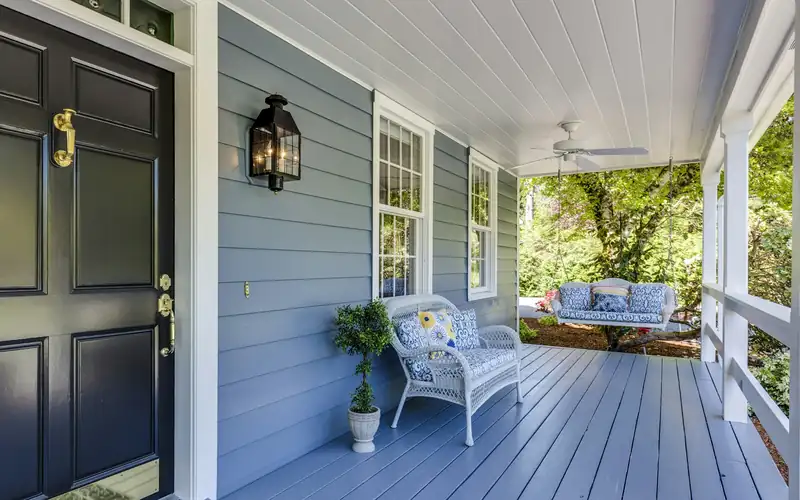
Decks & Porches
New decks, rebuilt porches and stairs, with the footings, setbacks and permits they usually need.
Historic or inventoried house?
(978) 788-0374Tell us the street and what you want to change outside, and we'll connect you with a contractor who works with Lexington's review boards.
Permits
Permits for siding, windows and decks in Lexington
Where to file. The Building Office at 1625 Massachusetts Avenue, 781-698-4530, takes every permit through the town's online portal on OpenGov. Its page posts residential plot plan requirements and a rough inspection checklist but doesn't say which exterior jobs need a permit; it asks you to call (Building Office). The state's contractor chart marks siding, window replacement, decks and new door openings as building-permit work, and a replacement exit door as needing one too (state HIC chart).
Fees. Lexington's fee schedule, approved May 23, 2022 and effective September 1, 2022, charges alterations and additions $13 per $1,000 with a $40 minimum (Fee Schedule).
- Building Office
- 1625 Massachusetts Avenue, 781-698-4530
- Filing
- Online portal (OpenGov)
- Fee
- $13 per $1,000, $40 minimum (effective September 1, 2022)
- Historic districts
- Battle Green, Hancock-Clarke, Munroe Tavern, East Village
- Demolition delay
- 21 months (12 with approved site plan review)
- Energy code
- Specialized Opt-in Code since January 1, 2024
Energy code. Lexington adopted the Specialized Opt-in Code effective January 1, 2024, after using the Stretch Code since January 1, 2011 (state list dated November 3, 2026). For an existing home, 225 CMR 22 sends alterations and repairs to the code's existing-building chapter (225 CMR 22); ask your installer for each new window's NFRC label.
State rules for the job. A contractor replacing siding, windows or doors or building a deck on your owner-occupied one- to four-family home must be a registered Home Improvement Contractor (Contractor Hub lookup), and the state chart sets a "Window/Siding CSL minimum" for siding and windows (state HIC chart). On one- and two-family homes, a licensed construction supervisor or registered design professional must oversee the construction (construction supervisor rules). Over $1,000 the contract must be written, with the registration number, dates, price and payment schedule; the deposit can't exceed one-third unless special-order materials cost more; and you have until midnight of the third business day to cancel a contract signed at home (c.142A §2). Owners who pull their own permit lose access to the Guaranty Fund, which can pay up to $25,000 (HIC homeowner resources).
Lead and asbestos. In a home built before 1978, paid work disturbing more than 20 square feet of exterior paint needs a licensed lead-safe renovation contractor, and window replacement is a separate trigger (MA lead-safe rules for contractors); the federal rule always covers window replacement (EPA RRP). If you'd rather keep old sash, the Historical Commission posts a list of wood-window repair contractors on its Demolition Delay page. MassDEP treats cement or "transite" siding as suspect asbestos: contractor jobs need a survey by a DLS-licensed inspector and notice at least ten working days before removal (MassDEP asbestos FAQ).
Last verified November 2026. Fees, restrictions and deadlines on this page are due for re-checking by November 2027. New England Exterior Pros is a referral service. We don't do the work or file permits; the contractor does.
Historic review
Historic review of exteriors in Lexington
Four districts, written guidelines. Lexington's Battle Green, Hancock-Clarke, Munroe Tavern and East Village districts are set by state act, and the Historic Districts Commission reviews exterior changes subject to view from a public street, way or place (enabling legislation; Historic Districts Commission). Its guidelines, approved February 7, 2019, get specific (HDC Guidelines):
- Windows: the commission "prefers that old windows be repaired rather than replaced"; thermal windows may be approved where the existing ones aren't historic; it favors "simulated or true-divided lites rather than pop-in or between the glass grids," muntins 5/8 to 7/8 inch, and clear glass. Wood or aluminum storm windows are permitted, aluminum painted to match the trim.
- Siding: "Clapboard and/or wood shingles are generally most appropriate"; aluminum or vinyl siding is generally not, and fiber cement is called inappropriate for replacement on historic buildings.
- Doors and porches: historic doors are to be retained, original porches retained and restored, and new porches on primary elevations are discouraged.
- Decks: not permitted on primary elevations; side or rear decks may be approved if they don't obscure significant details.
- Paint: color changes are reviewed, though without an advertised hearing.
Work not visible from a public way, replacement in kind and ordinary maintenance are exempt. The commission issues certificates of appropriateness (after a public hearing), non-applicability and hardship.
Neighborhood conservation district. The Pierce-Lockwood Neighborhood Conservation District, adopted at the 2018 Annual Town Meeting, reviews roof lines, additions, the "style and size of windows," porch enclosures and demolition, with criteria covering front doors and exterior siding; no permit issues without its certificate (Pierce-Lockwood NCD). A second district, Turning Mill, is listed on the current NCDs page.
Demolition delay reaches siding. For buildings on the National Register or the town's inventory, the delay is 21 months, or 12 with approved site plan review, effective August 7, 2023. The town's definition of substantial demolition includes "the removal of any of the historically or architecturally significant exterior features of a building," naming "clapboards or other cladding," exterior trim, sheathing, roofing, and "doors, windows and their frames." Interior-only work and the "removal or alteration of decks not seen from the street" are exempt (Demolition Delay; definition of substantial demolition).
Decks and porches
Decks and porches in Lexington
Zoning. The town's zoning summary sheet gives house setbacks of 30 feet in front (20 on a secondary street), 15 at the rear and 7.5 to 15 at the sides depending on frontage, but says nothing about decks, porches or steps (Zoning By-Laws to Consider). Porches do count toward the gross floor area cap on additions to existing homes, which uses an architect-signed calculation form (gross floor area form).
Wetlands. The local wetland regulations, amended September 13, 2021, reach 100 feet from a resource area, bar vegetation removal within 25 feet and bar any structure or "other constructed surface within 50 feet" (wetland regulations). A small open deck on helical piers, under 100 square feet, more than 50 feet from the resource area and over converted lawn, qualifies for administrative review under the minor-activity policy approved October 3, 2022 (Conservation rules and permits).
Footings. Lexington posts no deck guide. The state code sets frost depth at 48 inches (780 CMR 51, chapter 3), and footing holes need a Dig Safe notice at least 72 hours ahead, weekends and holidays excluded (c.82 §40A; call 811 or use Dig Safe).
Lexington's homes
Federal houses, Victorian villas and post-war enclaves
The town's 2025 Housing Needs Assessment counts 22% of homes as built in 1939 or earlier, 24% from 1940 to 1959 and 23% from 1960 to 1979, so roughly seven in ten predate 1980, and about 82% are single-family (Housing Needs Assessment). Any of those built before 1978 brings the lead-safe rules into window and paint work.
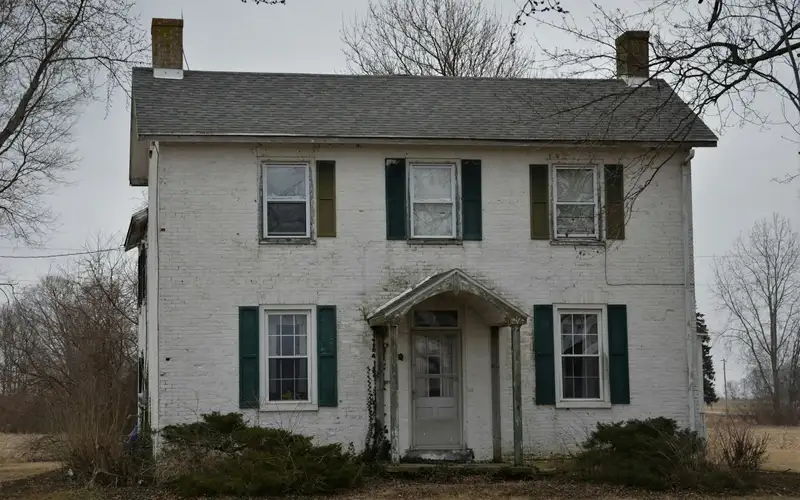
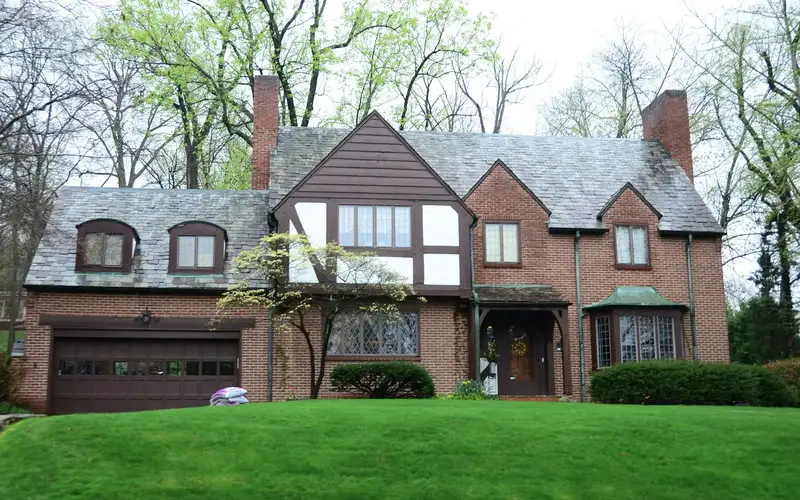
East Lexington
Greek Revival doorways noted in the state's survey of the town.
North Lexington
Speculative housing tracts noted in the state's survey.
Moon Hill, Five Fields, Peacock Farm
Enclaves the Historical Commission lists as structures of the recent past.
Descriptions come from the state's Lexington reconnaissance report (September 1980) and the Historical Commission. The report also notes Federal center-hall houses with twin chimneys, some with brick end walls, Italianate villas, 1860s mansard cottages, Queen Anne and Colonial Revival houses near the center, and bungalows in the southwest.
FAQ
Lexington exterior questions
Can re-siding my house trigger Lexington's demolition delay?
It can on a house on the National Register or the town's inventory. The town's definition of substantial demolition includes removing clapboards or other cladding, exterior trim, sheathing, roofing, or doors, windows and their frames. The delay is 21 months, or 12 with approved site plan review.
Will the Historic Districts Commission approve vinyl windows?
Generally not. Its 2019 guidelines prefer repairing old windows, may approve thermal windows where the existing ones aren't historic, favor simulated or true divided lites over grids between the glass, and call synthetic materials such as vinyl generally not appropriate.
Can I build a deck on the front of a house in a Lexington historic district?
No. The guidelines say decks are not permitted on primary elevations that front or are highly visible from a public way. A deck on a side or rear may be allowed if it doesn't hide significant details.
Is there a quicker wetland review for a small deck?
Yes. Under the Conservation Commission's minor-activity policy approved October 3, 2022, an open deck on helical piers under 100 square feet, more than 50 feet from the resource area and built over converted lawn, can go through administrative review.
What does it cost me to use New England Exterior Pros?
Nothing. Asking is free for homeowners; the contractor prices the job, and the price and contract are between you and them.
Nearby